Case Study
E-Commerce Website Design — BMX-Shop Case Study
Magento with Sage 200 integration for a retailer selling worldwide, plus brand sites for Ruption and Blank — a group later acquired by Chain Reaction Cycles.
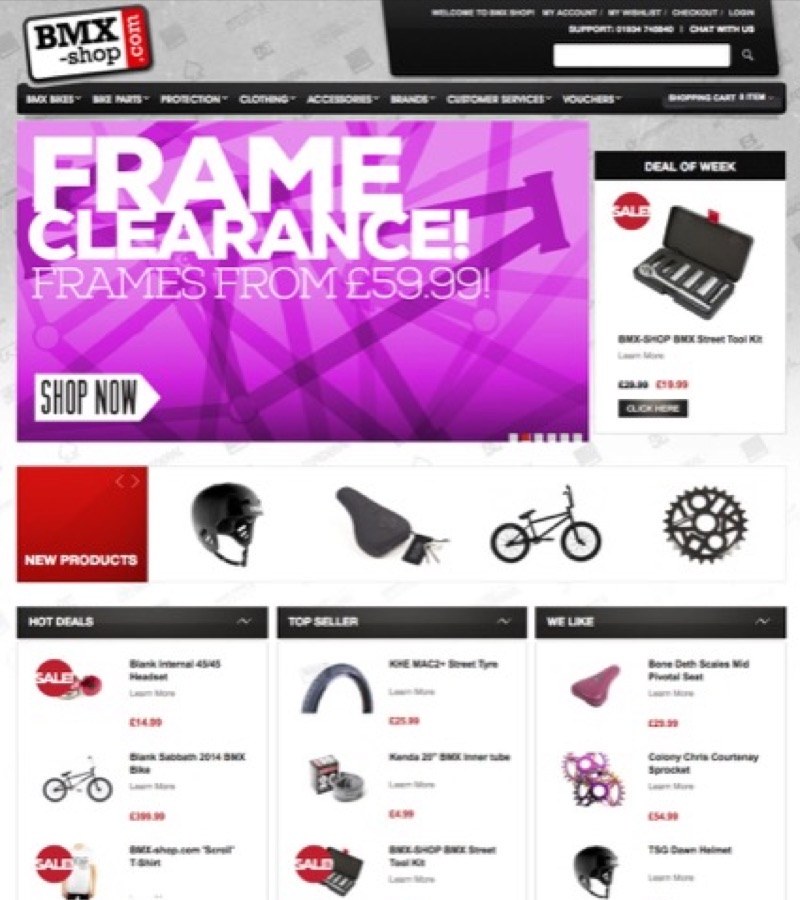
Three brands, one group, one supplier
Ruption Bikes have been building BMX frames since 1994, ridden by sponsored riders at world level. Blank Bikes sat alongside them as a second product brand. BMX-Shop.com was the retail arm, selling across the UK and internationally.
Ruption and Blank came across to Mediatopia in 2010 with the other clients carried over when the company was founded — both sites originally designed by me at Web Europe, and both due a rebuild by then.
BMX-Shop came later, and it came because of the Sage work. The retail site was hosted elsewhere at the time, but when the group learned we were doing accounting integration they asked whether we could take on the main shop. That is how most of the interesting work arrives — not from a pitch, but from having already solved something difficult.
Magento and Sage 200
BMX-Shop was built in Magento and integrated with Sage 200. Anybody who has attempted that will know what it involves.
The difficulty is not the connection. It is that an online shop and an accounting system hold fundamentally different ideas about what a product is, what an order is and what a customer is. Magento thinks in SKUs, configurable products and carts. Sage thinks in nominal codes, sales orders and ledgers. Making them agree, in both directions, without either system corrupting the other, is the entire job.
Done properly, orders flow straight from the website into Sage as sales orders, stock levels reflect reality rather than yesterday, and nobody spends their morning copying numbers between two screens. Done badly, you have created more manual work than you removed.
Sales went up substantially after launch. Not because the site looked better, though it did, but because the operation behind it could finally keep up with the orders coming through it.
The brand sites
Ruption and Blank were product brands rather than shops. They needed to build desire and send riders to the retail arm and the dealer network — a different job to selling, and a different design problem.
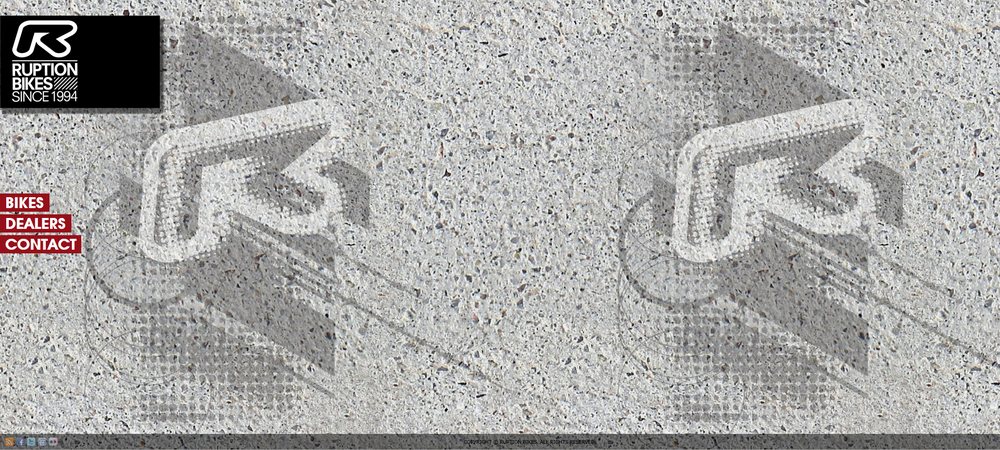
Rebuilt as a brand destination for riders and the BMX trade.
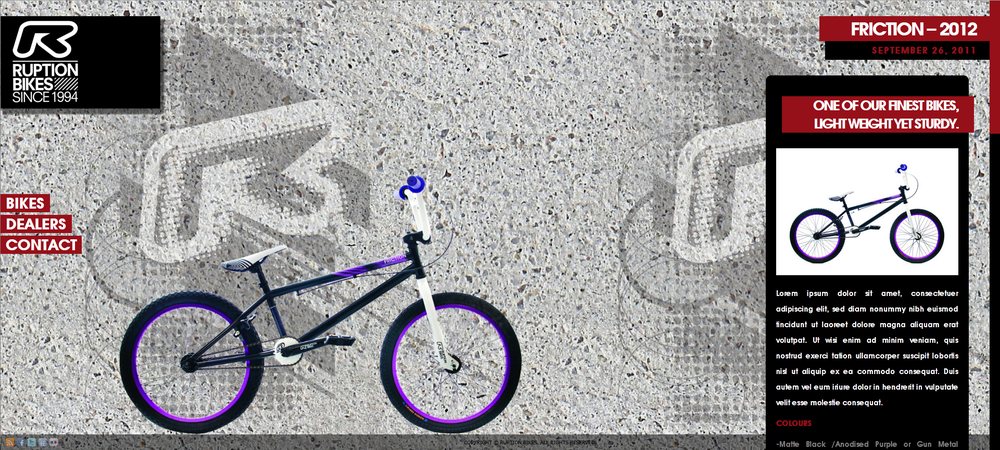
Concrete textures, the brand mark at scale, the bike shot clean and large.
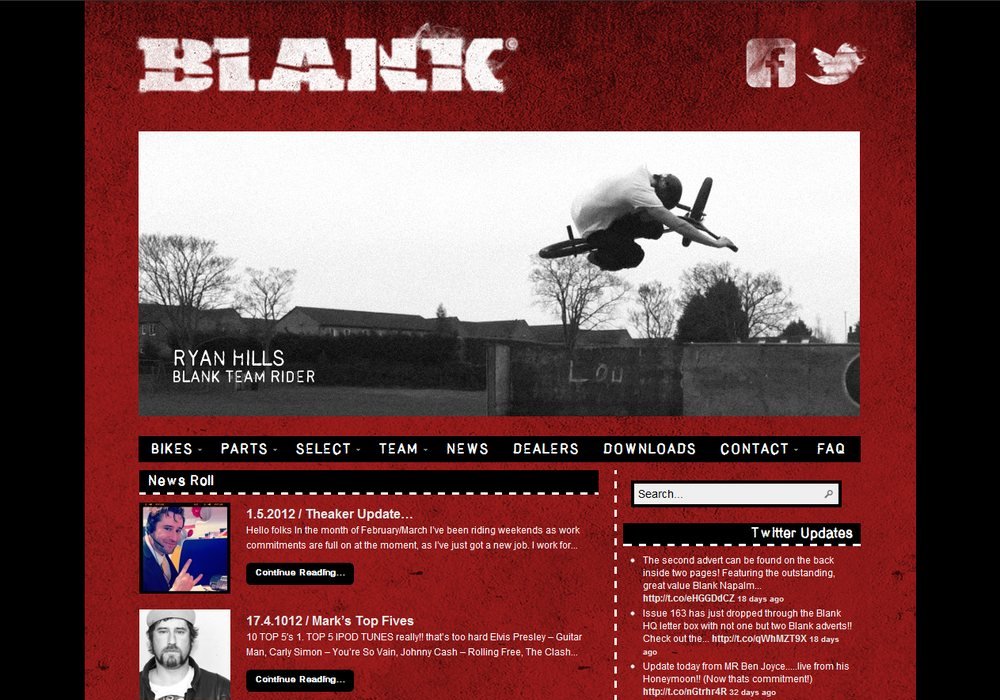
The second product brand in the group, carried over and rebuilt.
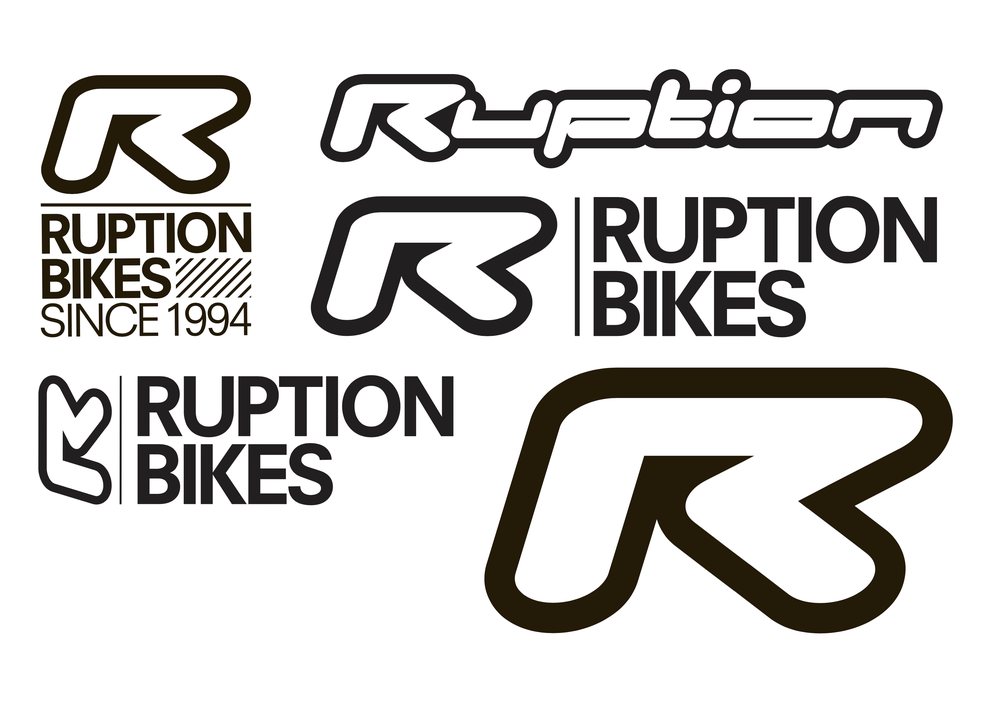
Identity produced in-house alongside the sites rather than bought in.
Brand sites are not shops, and should not pretend to be
Ruption and Blank were product brands rather than retailers. Their audience was riders and the BMX trade — people who wanted to see the frames, the geometry, the team, the colourways, and then find a dealer.
Trying to make those sites transactional would have been a mistake. They needed to build desire and send traffic to the retail arm and the dealer network, and that is a different design problem to selling. Bigger imagery, less interface, no checkout.
The Ruption rebuild leaned hard into that — concrete textures, the brand mark used at scale as a watermark, the bike photographed clean and large against it. It looked like the culture it was selling into rather than like a product catalogue.
Alongside the sites we produced the brand and logo work for the group, which is normal for us rather than something bought in.
What We Built
Project development work carried out
Magento Build
A full e-commerce build for a retailer selling across the UK and internationally, with a catalogue deep enough to need proper structure rather than a template.
Sage 200 Integration
Orders, stock and customer data moving between the shop and the accounting system without anyone rekeying them — the hardest and most valuable part of the project.
Brand Sites & Identity
Ruption and Blank rebuilt as brand destinations rather than shops, with logo and identity work produced alongside.
Acquired by Chain Reaction Cycles
Chain Reaction Cycles, then one of the largest online bike retailers in the world, acquired the whole business — the shop and the brands — for a figure in the millions.
That is not something we take credit for. The business was built by the people who ran it. But a retail operation that sells internationally, with its stock and orders properly integrated into its accounting system, is a considerably more attractive acquisition than one held together by spreadsheets and manual entry. Infrastructure is part of what gets bought.
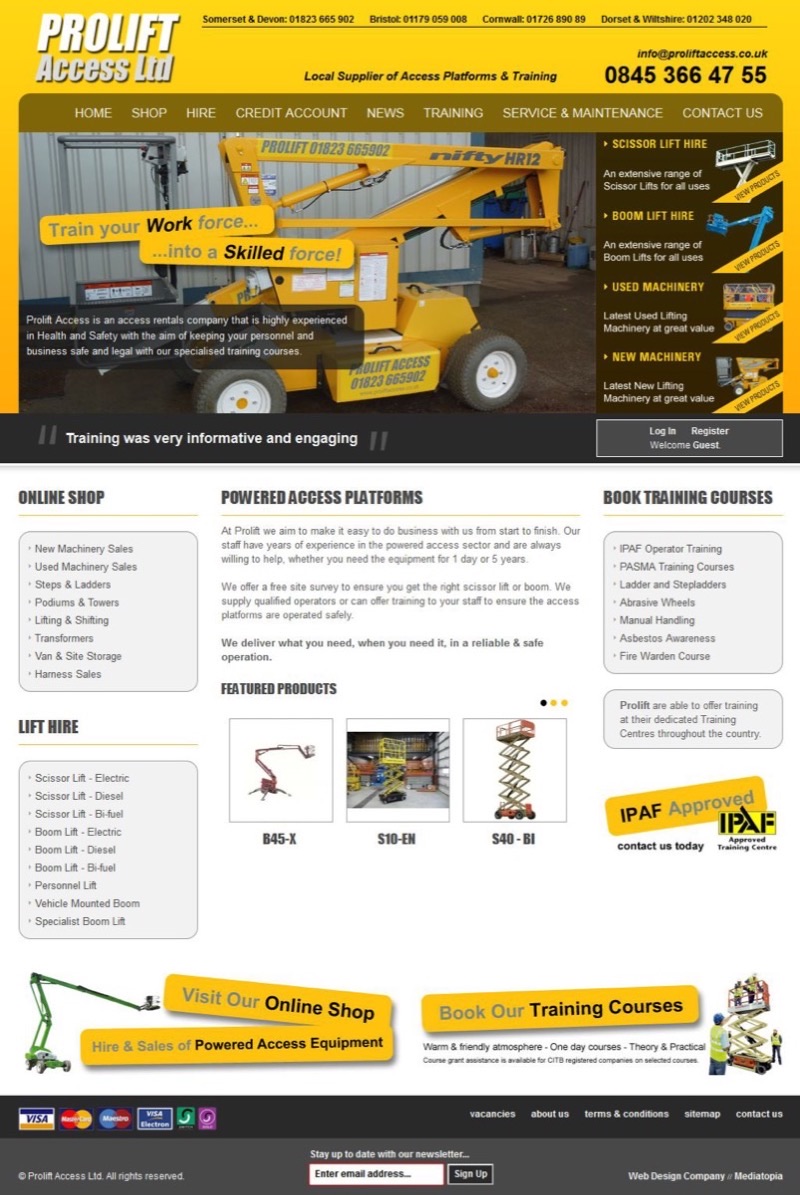
If you run an online shop that has outgrown its platform, or a business where the website and the accounts do not talk to each other, that is exactly the work. See the Prolift Access case study or the Pomphreys case study for comparable projects.
Common Questions
E-Commerce Website Design FAQs
More case studies
View all work →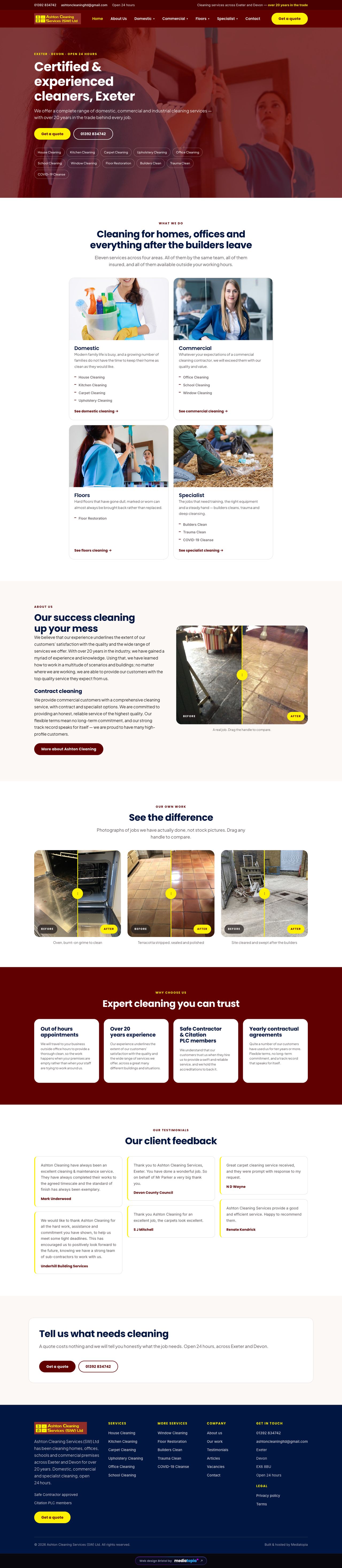





Need a shop that talks to your accounts?
Tell me what you sell and what it needs to connect to, and I will give you a fixed price. You deal with the person who builds it.
Let's Build Something
That Actually Works.
Book a free consultation. We will review your current setup, identify quick wins, and give you a clear proposal with fixed pricing. No obligation.