Website Redesign
We modernise outdated websites without disrupting your business. New design, clean code, and a faster experience — with zero downtime and your SEO rankings preserved throughout.
The Problem
Your Website Is Stuck in the Past
Your website is often the first impression a potential customer has of your business. An outdated design, slow load times, and a poor mobile experience are costing you customers every single day.
Outdated Technology
Legacy CMS platforms, bloated plugins, and old frameworks slow your site down and expose you to security vulnerabilities. Technical debt compounds fast.
Declining Traffic
Google penalises slow, outdated sites. If your rankings are falling, your website's technical quality — not your content — may be the reason.
Security Risks
Unpatched plugins, expired certificates, and weak hosting leave your site vulnerable to attacks that can wipe out your search rankings overnight.
Expensive to Maintain
Paying developers to patch a broken site every month costs more than a proper rebuild. A clean codebase is always cheaper to maintain long-term.
What We Build
A Complete Modernisation
We rebuild your website from the ground up using modern, clean code — preserving your SEO, improving your speed, and giving your brand the online presence it deserves.
Full Redesign
We map every existing URL, set up 301 redirects, and carry over all structured data. Your rankings and domain authority are fully protected through the transition.
SEO Migration
Your old site stays live until your new site is ready. We switch over in a maintenance window — no broken links, no lost visitors, no business disruption.
Performance Upgrade
React, Next.js, or bespoke HTML — we choose the right technology for your needs. No page builders, no bloated plugins, no inherited technical debt.
Mobile Rebuild
Legacy sites often score below 40 on PageSpeed. We target 90+ across all pages — giving your SEO, user experience, and conversion rate an immediate boost.
Security Hardened
A modern, professional design aligned with your brand. Not a template — a bespoke design that reflects where your business is today and where it is going.
Analytics Setup
Post-launch support, security updates, and performance monitoring. Your new site stays fast, secure, and up-to-date without you having to worry.
Our Process
From Brief to Launch in Four Steps
- 01
Discovery
We audit your existing site — every URL, every performance metric, every SEO signal. Your new site is designed around what works and what urgently needs to change.
- 02
Design
A modern redesign built around your brand, customers, and business goals. You sign off every page design before we write a single line of new code.
- 03
Build & Test
Clean, bespoke code. Every page tested across 20+ devices and browsers. Performance scores verified and search console reviewed before launch.
- 04
Migrate & Launch
Seamless migration with zero downtime. We monitor rankings closely in the weeks after launch and address any SEO issues immediately.
"approach": "Mobile-First",
"breakpoints": [
"375px",
"768px",
"1024px",
"1440px"
],
"framework": "Next.js 14",
"css": "Custom + Tailwind",
"testing": "20+ Devices",
"performance": "Sub-3s Target"
}
Our Work
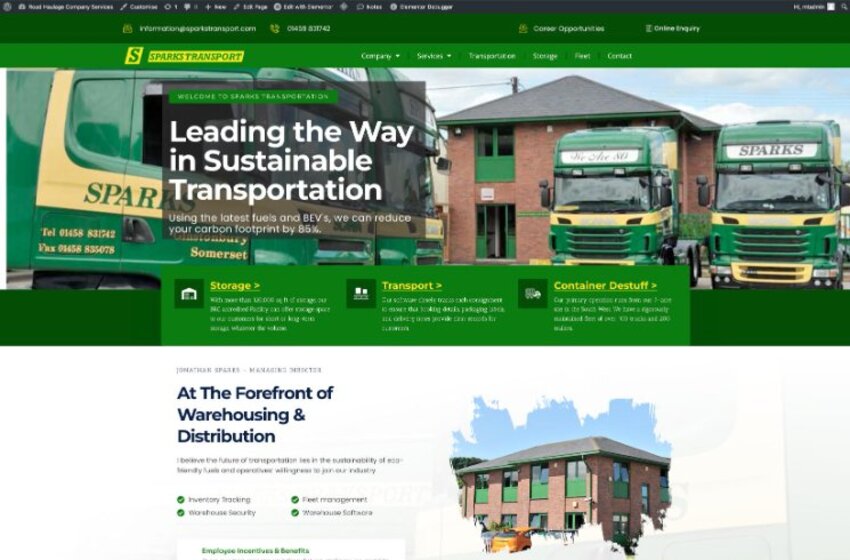
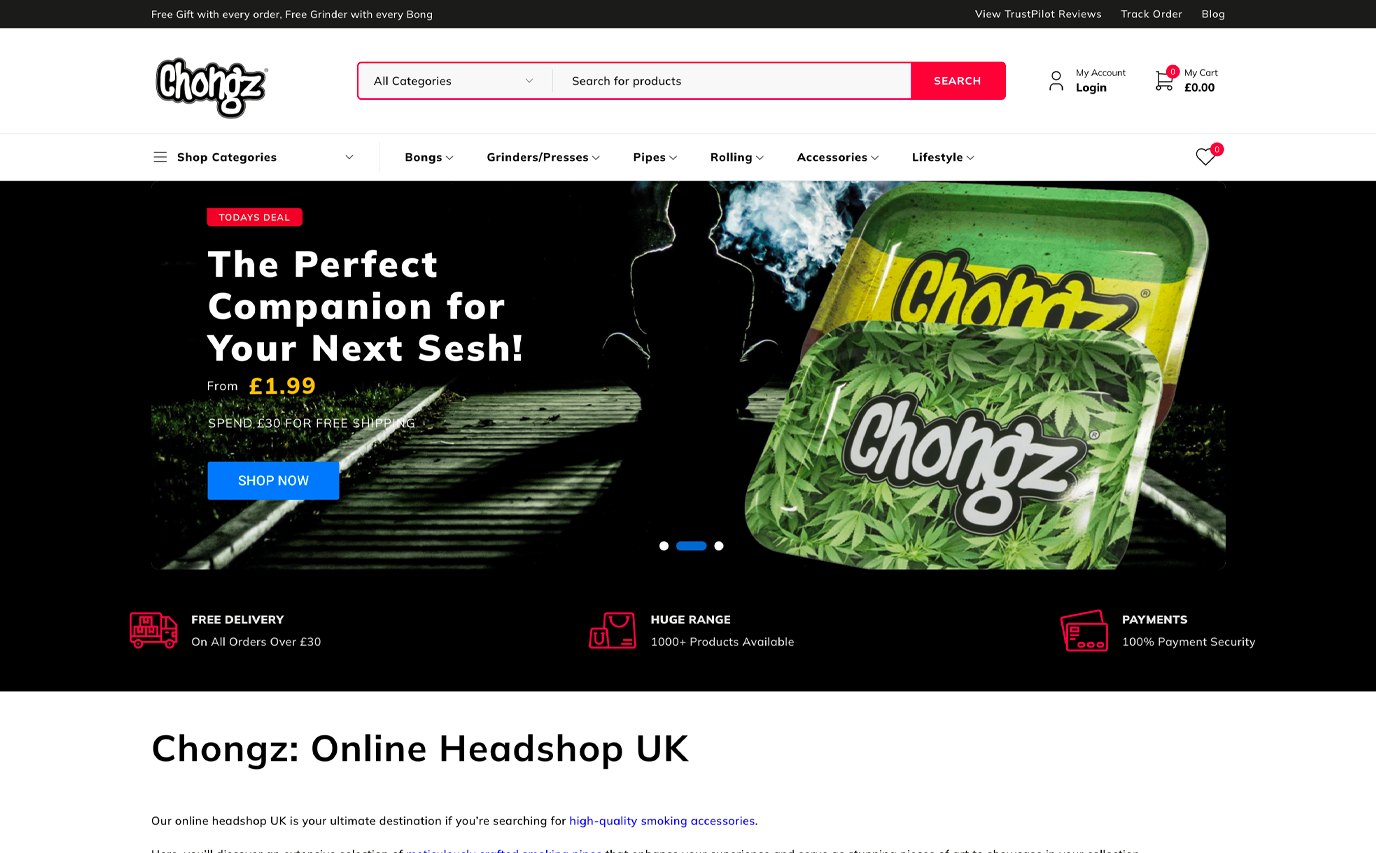
Recent Responsive Projects

What It Costs
What Drives the Cost of a Website Redesign
Nobody can quote a redesign from the size of a company. Two businesses the same size can be months apart on effort, because what sets the price is how much of the existing site can be kept and how much has to be rebuilt. These are the things that move the number.
How many pages you have
A dozen pages and several hundred are not the same job. Every page has to be reviewed, kept, merged or retired, and every decision recorded so the redirects can be built. On large sites the real cost sits in the audit, not the design.
Whether the content is ready
If your copy and photography are current, they move across and the project is shorter. If the words are years old or there is no decent photography, that has to be produced before anything can be built. Content is the most common reason a redesign runs late, and the most common reason a quote changes after it is given.
What it has to connect to
A site that stands on its own is straightforward. One that talks to your accounts package, booking system, stock or a payment provider is different work — each connection built, tested and kept working after launch. Integrations are usually the largest line on a redesign that has them.
Whether you sell online
Selling adds products, variants, stock, delivery rules, tax, payment and the order flow behind them. The catalogue alone can be most of the work, especially if it has to be imported from an old platform and cleaned on the way through.
How much SEO there is to protect
A site with little search traffic can be rebuilt lightly. One that earns real traffic has to be migrated carefully: every ranking URL mapped, redirects written and tested, structured data carried across. That work is invisible on the finished site and it is the difference between keeping your rankings and losing them.
How bespoke the design is — and why we quote after looking
Working to an established brand is quicker than starting from nothing. If the logo, colours, type and photography all need attention, that is design work in its own right before any page is laid out. Most redesigns sit somewhere in between. Which is why a redesign is quoted after someone has looked at your site, not before: any agency giving a firm figure without seeing what they are migrating is guessing, and the gap between the guess and the real number tends to appear halfway through the project.
Choosing an Agency
Choosing a Website Redesign Company
Most redesigns that go wrong go wrong for reasons you could have spotted at the first meeting. These are the questions worth asking anyone you are considering, including us.
Ask what happens to your rankings
A redesign is a migration before it is a design job. Ask how they map existing URLs, who writes the redirects, and what they check after launch. If rankings are described as something that recovers on its own, nobody there owns it.
Ask who owns what you end up with
Find out who owns the design, the code, the domain and the hosting account when the invoice is paid. Some arrangements leave you unable to move the site without starting again. It is a fair question and it should get a straight answer in one sentence.
Ask how you change it afterwards
You will want to change a price or swap a photograph without raising a ticket. Ask to be shown the thing you will actually use, not a slide about it. If editing your own website means emailing someone and waiting, that is a running cost nobody has quoted you for.
Ask who you speak to when it breaks
A form stops sending, a plugin breaks, a browser changes. Ask who picks the phone up, what the response time is, and whether support is included or billed. The support arrangement matters more than launch day does.
Ask to see work in your situation
Not necessarily your industry — a solicitor and a plumber have more in common online than people assume — but your situation. A big catalogue, a booking system, a site being moved off an old platform. Ask for something live you can open on your phone.
Ask what they need from you — and compare like for like
The most reliable sign of someone who has done this before is that they tell you what is needed from your side and when: sign-off on structure, copy approval, product data, access to your current host. A plan that asks nothing of you will stall in week three. And the cheapest and dearest quotes are rarely the extremes they look like — the cheap one usually leaves the migration, the content and the support to you, the dear one often includes work you do not need yet. Ask both what is in and what is out, in writing, and the two numbers become comparable.
Common Questions
Website Redesign FAQs
Let's Build Something
That Actually Works.
Book a free consultation. We will review your current setup, identify quick wins, and give you a clear proposal with fixed pricing. No obligation.